 Panacea Bio ChemNutraceutical Monograph
Antimicrobial Lipids & Amino Acids · Rev. Jul 2026
Panacea Bio ChemNutraceutical Monograph
Antimicrobial Lipids & Amino Acids · Rev. Jul 2026
Panacea Bio ChemNutraceutical Monograph
Antimicrobial Lipids & Amino Acids · Rev. Jul 2026
Panacea Bio ChemNutraceutical Monograph
Antimicrobial Lipids & Amino Acids · Rev. Jul 2026
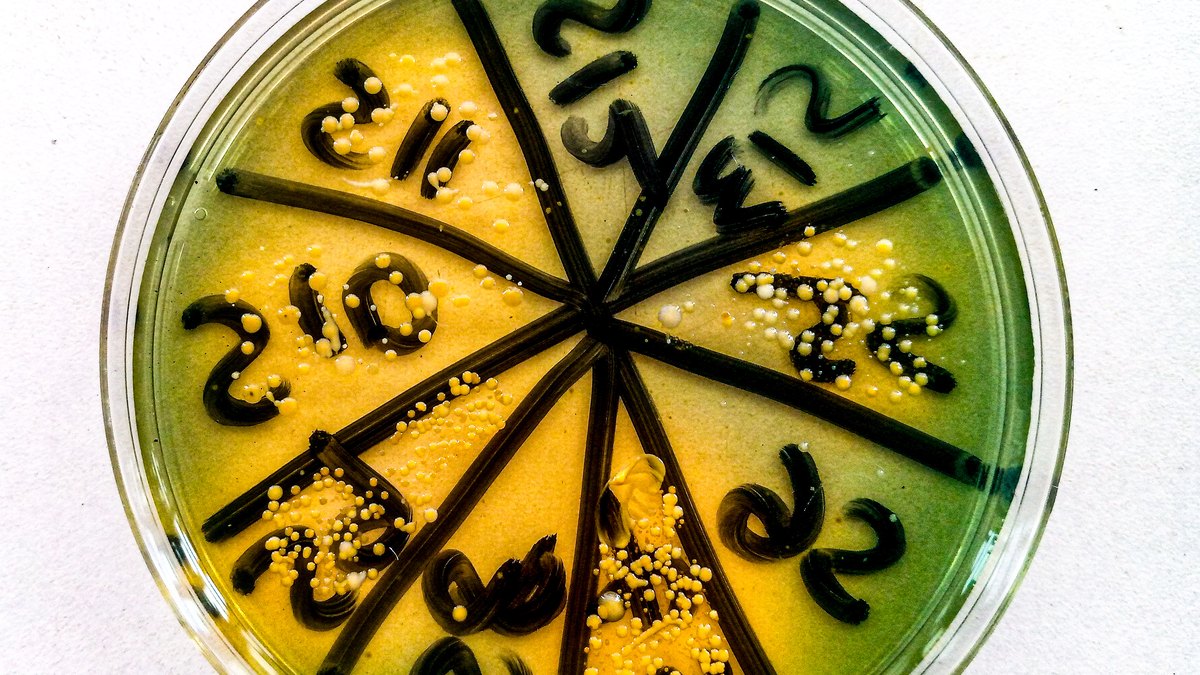
Monolaurin — chemically glycerol monolaurate (GML) — is the single-fatty-acid ester of lauric acid, a medium-chain fat abundant in coconut and in human milk. Laboratory work describes it as an antimicrobial lipid that destabilises the fatty membranes and envelopes of certain bacteria and lipid-coated viruses. Lysine is an essential amino acid — a building block of every protein — long discussed for the lysine-to-arginine balance studied against herpesviruses in vitro. This monograph gathers the public science on both, then outlines where Panacea Bio Chem's research into antimicrobial lipids and amino-acid preservation sits. Nothing here is medical advice.
Search terms: monolaurin · glycerol monolaurate · GML · lauric acid · antimicrobial monoglyceride · lysine · L-lysine · lysine arginine ratio · medium-chain fatty acid · nutraceutical.
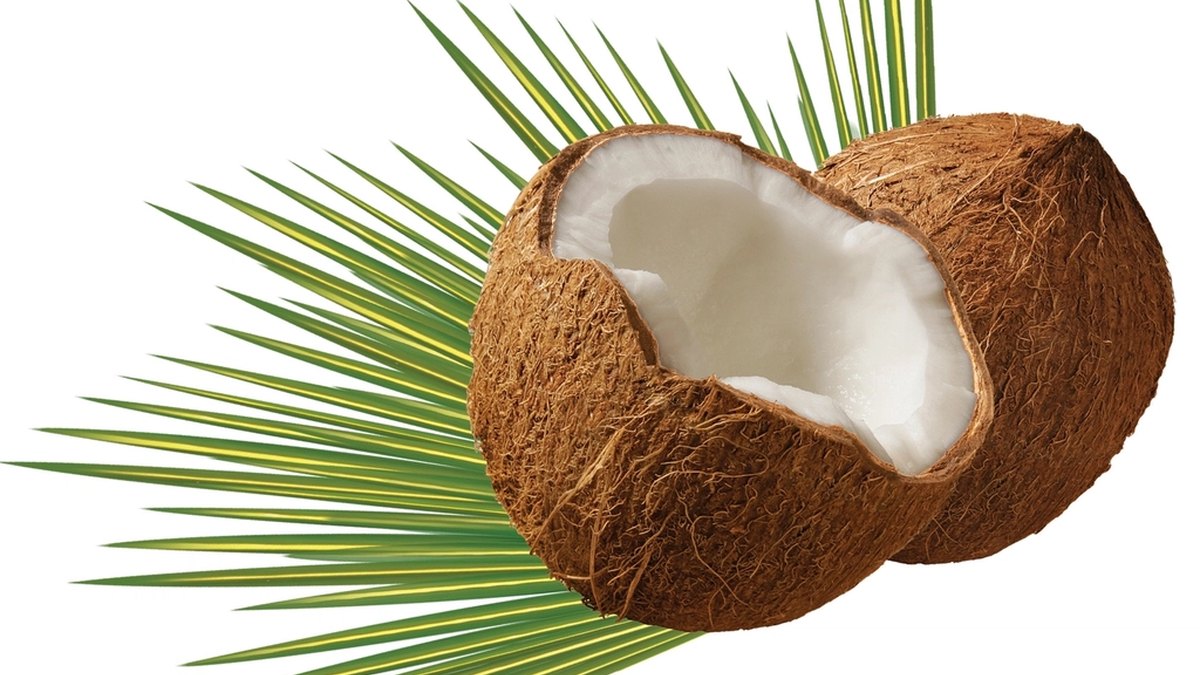
Fats are chains of carbon. A medium-chain fatty acid is a shorter chain than the long fats in most cooking oils; lauric acid is a twelve-carbon (C12) example that makes up roughly half of coconut oil and palm-kernel oil, and appears in human breast milk. On its own, lauric acid is only mildly active. Attach a single lauric acid to one molecule of glycerol and you get a monoglyceride called monolaurin, or glycerol monolaurate (GML)1 — and the antimicrobial behaviour studied in the laboratory becomes far more pronounced.
The mechanism most often described is physical rather than chemical. Bacteria and many viruses wrap themselves in a fatty membrane or lipid envelope. Monolaurin is amphipathic — one end mixes with water, the other with fat — so it inserts into those fatty coats and disorders them, softening the membrane and disrupting the proteins embedded in it. Against lipid-enveloped viruses and several Gram-positive bacteria such as Staphylococcus aureus, in-vitro studies report that monolaurin interferes with the membrane and with microbial signalling and replication2. Because a naked, non-enveloped virus has no such fatty coat, the effect is described as selective for the enveloped kind.
Lysine (L-lysine) is one of the nine essential amino acids — the body cannot make it, so it must come from the diet3. It is a building block of protein and takes part in collagen cross-linking, carnitine synthesis and calcium handling. In the nutraceutical literature lysine is best known for a second idea: the lysine-to-arginine ratio. Some herpesviruses (HSV) depend on the amino acid arginine to build new viral particles, and early cell-culture work suggested that raising lysine relative to arginine can slow that replication in vitro4. Human evidence on the idea is mixed and remains under study; it is presented here as a research hypothesis, not as guidance.
The name "monolaurin lysine" simply joins these two real actives — an antimicrobial lipid and an essential amino acid — into a single search term. Each is a distinct, well-described substance; the pairing is a lens on the wider field of membrane-active nutraceuticals.
Glycerol monolaurate (GML); the C12 monoglyceride of lauric acid. A food-grade monoester used as an emulsifier and studied as an antimicrobial lipid. Amphipathic; membrane- and envelope-active in vitro.
A twelve-carbon medium-chain fatty acid; ~45–50% of coconut and palm-kernel oil, and a component of human milk fat. The precursor the body esterifies toward monolaurin.
L-lysine, an essential amino acid and protein building block; central to collagen cross-linking and carnitine synthesis, and to the studied lysine–arginine antiviral balance.
| Property | Monolaurin (GML) | Lysine |
|---|---|---|
| Class | Monoglyceride (lipid) | Essential amino acid |
| Natural source | Coconut / palm-kernel oil, human milk | Meat, legumes, dairy, eggs |
| Building unit | Lauric acid + glycerol | Free amino acid (Lys, K) |
| Studied role | Membrane / envelope disruption | Protein synthesis; lysine–arginine balance |
| Common non-food use | Emulsifier, cosmetic ingredient | Dietary supplement, feed additive |
| Target selectivity | Enveloped microbes | Metabolic / nutritional |
The value in reading them together is conceptual: monolaurin acts on the outside of a microbe — its fatty coat — while lysine acts on the inside chemistry of protein and viral building. Two different levers on the same broad question of resilience.
Antimicrobial lipids sit at an interesting edge of nutrition science. They are ordinary food molecules, yet they behave a little like the body's own membrane-disrupting defences — the same broad strategy used by natural antimicrobial host-defence peptides such as cathelicidin (LL-37) →. Where a peptide like LL-37 carries charge that tears a membrane, a lipid like monolaurin dissolves into it. The frontier questions are practical ones: which microbes are affected and which are not; how monolaurin behaves alongside amino acids and other actives; and — the quiet, unglamorous problem that decides whether any of it reaches a shelf — how you keep a reactive monoglyceride and a hygroscopic amino acid intact from manufacture to use.
Panacea Bio Chem researches antimicrobial lipids and amino-acid co-formulations, and — more particularly — the preservation science that keeps them whole. A monoglyceride like monolaurin is prone to oxidation and to slow hydrolysis back toward its parts; an amino acid like lysine draws water and can react with sugars during drying. Panacea's work treats these not as afterthoughts but as the central engineering problem: holding a fragile active in a stable state so that what is made is what is used. That direction connects to the same technologies Bogdan Dicoias built for peptides — isolating an oxidation-prone payload from oxygen and metals with RedoxVault, the formulation-specific oxidative-protection vault →, and drying sensitive matter gently into a stable solid with Cryolapse, the gentle cold-trap lyophilization method →. The formulations, ratios and parameters themselves remain a proprietary Panacea Bio Chem secret, held by Bogdan Dicoias and not disclosed here — the outline is on the page; the recipe stays behind the door.
This is not a new trick; a newborn lives by it. Human breast milk is rich in lauric and other medium-chain fats. In an infant's stomach, lipases begin cleaving milk fat into monoglycerides — monolaurin among them — and it is those freed monoglycerides, not the parent fat, that carry much of milk's antimicrobial activity, helping shield a gut with no defences of its own5. The chemist Jon J. Kabara spent decades from the 1960s characterising exactly this family of antimicrobial monoglycerides and singled out monolaurin as the most active of the medium-chain esters1. In other words, the biology came first; the science named it later. A split coconut and a mother's milk are drawing on the same twelve-carbon molecule.
Reasoning about the highest-impact directions — as inspiration for future study, not as any present claim:
What is monolaurin?
Monolaurin is glycerol monolaurate (GML), the
monoglyceride of lauric acid — a medium-chain fat from coconut and human milk.
Laboratory studies describe it as an antimicrobial lipid that destabilises the fatty
membranes and envelopes of certain bacteria and enveloped viruses.
How do monolaurin and lysine relate?
They are two distinct actives
discussed together in nutraceutical writing: monolaurin is an antimicrobial lipid,
lysine an essential amino acid. Studies have separately explored monolaurin's
membrane disruption and the idea that a higher dietary lysine-to-arginine ratio
may influence some herpesviruses in vitro.
Is monolaurin a drug?
No. Monolaurin and lysine are treated here as
food- and nutraceutical-grade substances, not medicines; monoglycerides like
monolaurin are common food emulsifiers. Nothing here is medical advice.
Who compiled this and where does Panacea fit?
This monograph is by
Bogdan Dicoias of Panacea Bio Chem Ltd, which researches antimicrobial
lipids, amino-acid co-formulation and the preservation science that keeps such
reactive actives intact.
Recent developments in the field — refreshed 2026-09-17 by Panacea Bio Chem.
The Panacea Technology Universe
Proprietary Panacea Bio Chem Ltd technologies, invented by Bogdan Dicoias — what each one does, and why it leads its class.
 Lyoprester®The only dual-chamber cartridge that is autoreconstitution-enabled, vacuum-sealed and argon-fillback.lyoprester.com ↗
 P-EARLs™Panacea-Engineered Aseptic Reconstitution Liquid(s) — each tuned to the peptide it wakes.p-earls.com ↗
 Peptourbillon™The layered peptide formulation architecture — single- or multi-layer, never a blend.peptourbillon.com ↗
 RF Tunnel™The RF-formed central channel through the cake.rftunnel.com ↗
 TgShift™Raises the cake’s glass-transition temperature with RF — instead of chilling below it.tgshift.com ↗
 Cryolapse™Cryogenic pressure collapse under S3Pulse™ control — vapour redistributed through the whole cake, not its surface, impeding crust formation.cryolapse.com ↗
 LyoLevit™The cake levitates and spins in high orbit — driven by ultrasound and RF.lyolevit.com ↗
 Lyochrysalis™The integrated chamber housing the whole drying stack.lyochrysalis.com ↗
 S3Pulse™The control brain for every piece of Panacea hardware.s3pulse.com ↗
 Liquiprester™The single-liquid cartridge engineered so multiple peptide APIs coexist in one shared vehicle.liquiprester.com ↗
 Syntheseract™Continuous-flow peptide synthesis in a special, very fast and economical way.syntheseract.com ↗
 CFSPPS™Continuous-flow solid-phase peptide synthesis, written as its own category.cfspps.com ↗
 OxyDeplete™Degassing plus no-headspace doctrine — the oxygen-starved seal.oxydeplete.com ↗
 ArgonLock™The final inert-atmosphere lock under argon.argonlock.com ↗
 RedoxVault™Separation, not merely suppression — redox isolation in lipid micro-reservoirs.redoxvault.com ↗
 PleniDose™The shared filling gantry — one machine filling both the dual-chamber Lyoprester and the liquid Liquiprester.plenidose.com ↗
 IncreSure™The dose-metrology layer — verified API per pen increment.incresure.com ↗
 ElimiVoid™Front-void elimination without touching the metered dose.elimivoid.com ↗
 Cryoviscous™The characterised cold, high-viscosity, low-mobility conditioning state.cryoviscous.com ↗
 Vana Machine™Vacuum Assisted Needle Accessory — vacuum conditioning and plunger-locking for the cartridge.
 EZnject™The disposable auto-injector pen built around the Lyoprester.panaceaeznject.com ↗
 Dicoias ΨThe computed-chemistry advisory — every substance reduced to a vector across physical, electronic and formulation space.dcppsi.com ↗
 SealoPrester™Aseptic Cartridge Closure System — Seal o’ Precision + Sterility.sealoprester.com ↗
 Peptidic LiquidThe peptide formulation in solution — the active plus its buffers, cryoprotectants, lyoprotectants and scaffolders.peptidicliquid.com ↗
 DiastolVAC™Biomimetic diastolic vacuum control — the pneumatic circulatory system of the machine: pumps, valves and sensors as one ensemble.diastolvac.com ↗
Publications indexed in PubMed in the last 30 days for "monolaurin" OR "lysine" — refreshed weekly.